
October 22, 2025
Navigating the Path of Sobriety: A Veterans Day Prelude
Understanding the Unique Challenges Faced by Veterans in Recovery
Veterans embarking on the journey to overcome alcohol dependency often encounter distinctive challenges, shaped by their military experiences. The transition from military to civilian life frequently involves coping with intense emotional and psychological struggles. These complexities stem from the immense pressure endured during service, which can manifest as PTSD or other mental health issues. Moreover, the structured nature of military life contrasts sharply with the relatively unstructured context of civilian life. This disparity can exacerbate the stress veterans experience while navigating sobriety. Embracing the support offered by AA meetings can be pivotal in addressing these challenges, providing veterans with a structured platform reflected through the 12 step program principles to guide their recovery.
The Role of Community Support in Veterans’ Sobriety Journeys
Community support emerges as a cornerstone of effective recovery for veterans grappling with alcohol dependency. A sense of camaraderie and mutual understanding can significantly enhance recovery efforts. AA meetings provide a safe space for veterans to express vulnerabilities and share their stories. They cultivate a sense of belonging and acceptance, which is crucial in fostering long-term sobriety. In Georgia, the rich community network of AA meetings offers a vital resource for veterans. Through these meetings, individuals experience the tangible power of peer support in Georgia sobriety. Encouraging veterans to connect with others who have similar experiences can create a supportive environment that fosters resilience and encourages recovery.
Exploring the Rich Tradition of Alcoholics Anonymous and Its Relevance to Veterans
Alcoholics Anonymous (AA) is steeped in a tradition rich in empathy, common purpose, and a profound commitment to recovery. Its framework offers invaluable tools perfectly suited for veterans seeking to transition from active addiction to sustained sobriety. The foundational text of AA, known as the Big Book guide, provides timeless insights into the nature of alcohol addiction and the path to recovery. Veterans can find solace and strength within its pages, as it echoes the collective wisdom of countless individuals who have traversed similar paths. By incorporating military experiences and understanding in meetings, AA groups in Georgia effectively enhance the relevance of these traditions. This personalized approach strengthens the relevance of AA for veterans, creating a pathway tailored to their unique experiences.
1) Embracing the Power of Peer Support Networks
How Peer Support Enhances Recovery Efforts
The role of peer support is crucial in amplifying the effectiveness of recovery strategies for veterans battling alcohol addiction. Within peer groups, veterans find a mirror of their own struggles and experiences, which fosters a sense of understanding and empathy crucial for recovery. By engaging in shared experiences, veterans can navigate the complexities of their sobriety journey more effectively. This profound connection helps in alleviating the isolation that often accompanies addiction, making room for open conversations and mutual support. Leveraging peer support in Georgia sobriety ensures that veterans gain encouragement and accountability, which are cornerstone elements in maintaining long-term sobriety.
Building a Strong Veterans AA Community in Georgia
Fostering a robust AA community specifically tailored to veterans is pivotal in Georgia’s recovery landscape. This involves creating an environment where veterans feel seen, heard, and understood. The process starts with recognizing common military experiences and translating them into shared recovery goals. Such a community not only supports individuals in their quest for sobriety but also strengthens communal ties, promoting resilience and mutual commitment. Building these strong bonds requires intentional efforts in connecting veterans through specialized meeting formats and targeted outreach programs. This strategic focus ultimately strengthens the support network available to veterans, ensuring that they have access to reliable and empathetic veterans addiction recovery resources.
Facilitating Open Discussions and Sharing Experiences
Open discussions are the heartbeat of effective AA meetings for veterans, where storytelling becomes a powerful tool for healing and connection. Facilitating such dialogues encourages members to share their recovery journeys in a supportive environment. It allows veterans to articulate their challenges and victories, fostering a culture of transparency and solidarity. Guided by experienced facilitators, these discussions ensure that veterans feel safe to express themselves without judgment or stigma. This openness can catalyze profound insights and personal growth, integral to sustaining long-term sobriety. As veterans share their experiences, they also learn from the journeys of others, building an interconnected web of support that is both dynamic and uplifting. This aspect of AA Meetings in Georgia is instrumental in galvanizing community support and reinforcing the power of collective healing.
2) Harnessing the 12 Steps: A Veterans’ Perspective
Adapting the 12 Steps to Address Veterans’ Unique Needs
The transformative journey through the 12 steps of AA holds profound potential for veterans struggling with alcohol dependency. To maximize its efficacy, these steps must be adapted to resonate with veterans’ distinct experiences and challenges. Incorporating military culture and terminology can enhance relatability, enabling veterans to engage deeply with each step. For instance, concepts of service and bravery inherent in military life can be repurposed to empower veterans as they confront addiction. By reshaping the narrative around these steps, Georgia AA meetings can foster a recovery pathway that acknowledges military service’s impact on personal identity. This bespoke approach is key to revitalizing veterans’ connection with the 12 steps, ensuring the program’s principles align with their unique recovery needs. Effective AA strategies in Georgia further amplify these efforts, ensuring tailored support for veterans.
Incorporating Military Experience into the AA Framework
Integrating military experiences into the AA framework requires a sensitive understanding of veterans’ backgrounds. This process involves creating space for veterans to draw parallels between their service experiences and their recovery journey. Recognizing the strengths and skills acquired during military service, such as discipline and resilience, can be pivotal in overcoming addiction. Georgia’s Alcoholics Anonymous meetings can offer specialized forums where veterans openly relate their military experiences to the steps of recovery. By fostering an environment that respects and acknowledges these unique histories, AA meetings provide veterans with a supportive platform for transformation. This interplay between military experience and recovery fosters a communal understanding, empowering veterans to leverage these parallels for sustained sobriety. This nuanced incorporation not only personalizes the recovery journey but also reinforces the strength found in shared military backgrounds, as demonstrated by numerous success stories within the community.
Balancing AA Traditions with Modern Challenges
Navigating the balance between traditional AA frameworks and the diverse challenges faced by modern veterans demands adaptive strategies. While AA traditions remain integral to recovery, they must also evolve to address contemporary issues such as digital connectivity and mental health discrepancies unique to veterans. In Georgia, AA meetings are integrating innovative methods, blending time-honored practices with contemporary insights to better serve veterans. The inclusion of digital tools and online meeting options has enhanced accessibility, bridging geographic and logistical gaps for veterans across the state. This modern adaptation ensures that veterans receive robust support tailored to their evolving contexts, emphasizing inclusivity and relevance in recovery practices. Regular review and refinement of these methods are essential to keep pace with the shifting dynamics of veteran recovery, as reflected in innovative AA meeting methods, ensuring that AA remains a pivotal pillar in navigating sobriety for Georgia’s veterans.
3) Innovation in AA: Integrating Technology for Enhanced Sobriety Support
Utilizing Sobriety Calculators and Digital Tools for Progress Tracking
Integrating digital tools for tracking sobriety in AA meetings significantly enhances recovery efforts for veterans. These tools, including sobriety calculators, provide tangible metrics that help veterans visualize their journey towards overcoming alcohol dependency. By offering a clear picture of milestones achieved, veterans gain a deeper sense of accomplishment and motivation. The use of technology allows for precise tracking of sobriety dates and relapses, providing invaluable insights into behavioral patterns. This aids in customizing support strategies to address individual needs, fostering an adaptive recovery environment. The Digital tools for tracking sobriety ensure that veterans keep a vigilant eye on their progress, encouraging commitment and consistency in their sobriety journey.
Virtual Meetings: Bridging Geographical Barriers for Georgia Veterans
The advent of virtual meetings has revolutionized access to AA meetings, particularly benefiting Georgia veterans. By transcending geographical barriers, these meetings ensure that veterans can participate from any location, bolstering their connection to community support. This availability is crucial for veterans living in remote areas or with mobility challenges, ensuring they have access to addiction treatment services. Through virtual platforms, veterans engage in real-time discussions and support sessions, preserving the critical aspects of in-person meetings. This innovation in AA deployment ensures seamless inclusion and consistent engagement, contributing to the steadily increasing success rates of recovery. Virtual meetings act as a bridge, uniting veterans across Georgia under a shared commitment to sobriety, reinforcing the state’s rich network of Veterans’ recovery in Georgia.
Online Forums and Resources for Continuous Engagement
The continued evolution and accessibility of online forums provide an expansive resource pool for veterans in recovery. These platforms offer a lifeline of continuous engagement, where veterans exchange experiences and garner support from fellow members. The diversity of topics and discussions ensures that veterans find guidance tailored to their unique challenges, encompassing a wide range of sobriety topics. Easy access to educational resources, testimonials, and advice from seasoned members amplifies the collective strength of the community. By maintaining open channels for communication, these online resources foster an environment of perpetual support and learning. The array of digital offerings via AA encourages veterans to stay actively engaged in their sobriety journey, reinforcing resilience and facilitating long-term recovery. Furthermore, these forums provide a solid foundation for building an enduring support system strong enough to withstand challenges, thereby enhancing the Cultural sensitivity in sobriety.

4) Cultural Sensitivity: Tailoring AA Meetings for Veteran Diversity
Recognizing and Respecting Military Culture within AA Groups
Cultivating a culturally sensitive approach within AA meetings is crucial for fostering an environment where veterans feel understood and respected. Recognizing the distinct nuances of military culture can significantly enhance engagement in these recovery spaces, promoting an atmosphere of trust and camaraderie. Veterans bring a wealth of experiences framed by service, discipline, and commitment, elements that deeply inform their approach to issues such as sobriety and personal change. Integrating terms and practices that resonate with military life can bridge the gap between these two worlds, making veterans feel more at home in AA meetings. As veterans navigate their recovery journeys, the respectful acknowledgment of their backgrounds can encourage open dialogue and active participation, laying the groundwork for effective recovery strategies tailored to their unique cultural identities within the AA framework.
Customizing Meeting Formats to Enhance Veterans’ Participation
Customizing meeting formats to better engage veterans is essential in making AA meetings more inclusive and effective in addressing their specific needs. Georgia AA meetings can adopt flexible structures that reflect the disciplined and mission-oriented aspects of military life. This might include focusing sessions around goal-setting, structured sharing times, or using metaphors that resonate with military experiences. Ensuring that meeting formats are adaptable and reflective of veterans’ experiences boosts participation and facilitates a more meaningful interchange. By providing structured yet empathetic formats, AA Meetings Directory can help veterans transition more seamlessly into these recovery spaces, where their unique challenges are acknowledged and respected. This customization strategy not only promotes engagement but also supports the creation of an environment where veterans can actively influence and uplift each other’s recovery journeys.
Fostering Inclusivity and Understanding in Georgia’s AA Community
Inclusivity and understanding are paramount when tailoring AA meetings to the diverse backgrounds present in Georgia’s veteran population. At the core of inclusivity lies the need for continuous education and awareness among facilitators and attendees about the specific challenges veterans face. Providing training sessions on military culture, mental health awareness, and effective communication strategies enhances the community’s readiness to support veterans. Structured training should emphasize the importance of empathy and patience, helping veterans feel welcome and valued. Embracing these strategies strengthens the community impact through AA meetings, ensuring a supportive network that values diversity and fosters resilient recovery pathways. Georgia’s AA meetings are uniquely positioned to integrate these initiatives, thereby amplifying their role as inclusive sanctuaries that facilitate healing and mutual understanding. The commitment to understanding and celebrating each veteran’s unique contributions not only sustains a vibrant community but also elevates the ongoing evolution of Alcoholics Anonymous practices.
5) Exploring Intensive Outpatient Programs for Veterans
Blending AA Meetings with Professional Addiction Treatment Services
Integrating Alcoholics Anonymous meetings with professional addiction treatment services offers a comprehensive approach for veterans seeking recovery. This fusion allows veterans to benefit from the structure and community support offered by AA, alongside the specialized care available through professional services. Intensive Outpatient Programs (IOPs) complement the AA framework by addressing underlying issues such as trauma or mental health disorders that often accompany addiction. By receiving therapy in conjunction with regular AA meetings, veterans can enjoy a holistic recovery path that addresses both physical and emotional aspects of alcohol dependency. This collaborative model provides veterans with a multidimensional support network, enhancing their ability to achieve and maintain sobriety effectively. More information on structured treatment can be found through specialized Intensive Outpatient Programs.
Strategies for Integrating Intensive Recovery Programs with AA Principles
Strategically aligning intensive recovery programs with AA’s 12-step principles can amplify recovery outcomes for veterans. The 12 steps provide a spiritual and moral groundwork, while intensive programs offer practical tools and therapeutic interventions. This dual approach ensures that veterans have access to personalized treatment plans addressing individual challenges. Incorporating cognitive-behavioral therapy and motivational interviewing into the AA framework allows veterans to explore personal triggers and develop adaptive coping mechanisms. By maintaining flexibility and openness, AA facilitators and intensive program providers can co-create a recovery blueprint tailored to veterans’ unique needs. Such integration strengthens the intrinsic values of AA while providing scientifically validated techniques to enhance recovery success.
The Role of the Florida Marchman Act in Veterans’ Recovery Plans
The Florida Marchman Act plays a crucial role in veterans’ recovery by enabling relatives and friends to legally intervene when alcohol dependency becomes life-threatening. This act ensures that veterans receive involuntary assessment and, if necessary, treatment, protecting them when they cannot make informed decisions due to addiction. It serves as a legal framework ensuring that veterans who are unable to acknowledge their addiction receive the help they need, safeguarding their well-being. When combined with AA meetings, the Florida Marchman Act offers a structured path for recovery, aligning legal intervention with community support. This coordinated effort maximizes resources for veterans, enabling effective treatment under professional care and communal recovery spaces. More details on this act can be explored through resources on the Florida Marchman Act in recovery.
6) The Role of Community Events: Veterans Day Sobriety Celebrations
Organizing Sobriety Events to Honor Veterans’ Journeys
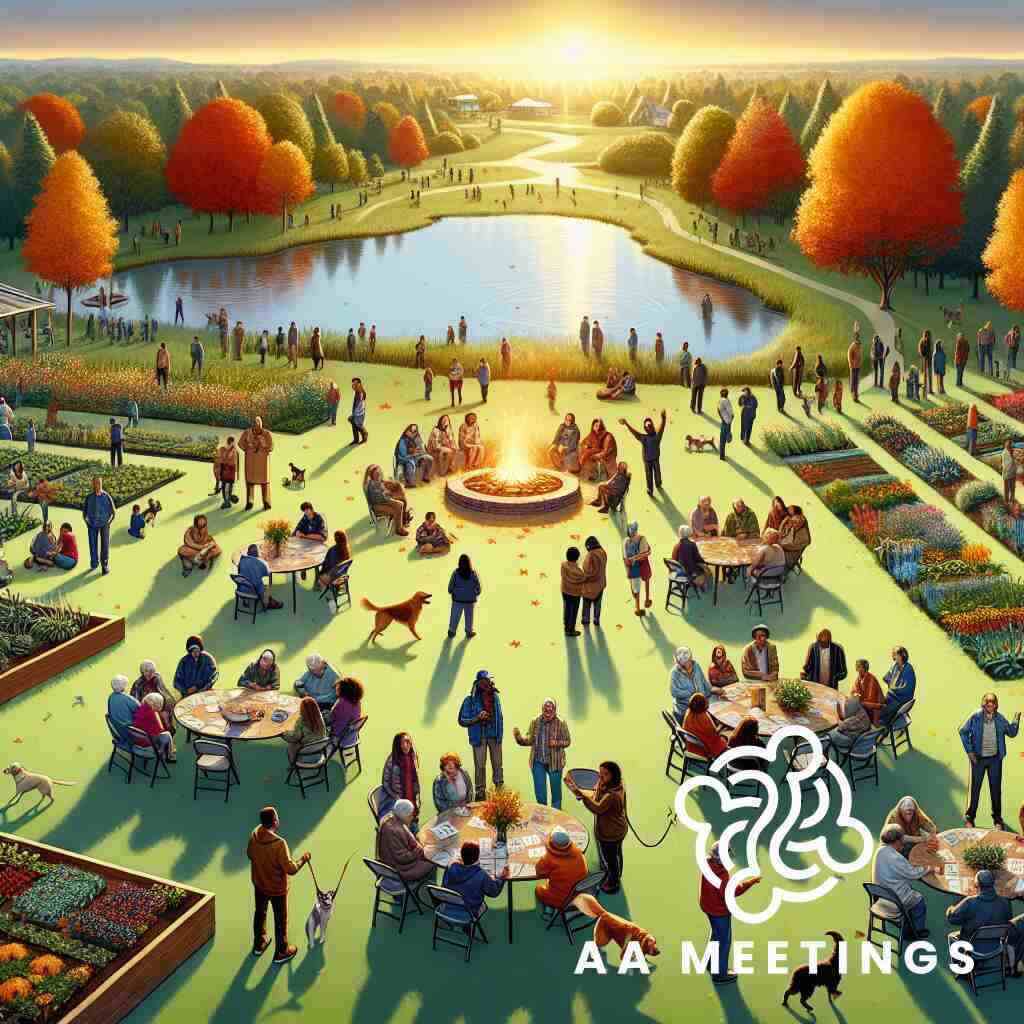
Organizing sobriety events for veterans is an impactful way to celebrate their recovery milestones while acknowledging their sacrifices. These events not only serve to honor veterans’ journeys but also reinforce a sense of community and belonging. In Georgia, creating events centered around Veterans Day can significantly enhance the morale of veterans in recovery. Such gatherings offer a platform where veterans can share their stories and triumphs, thus fostering an environment of mutual respect and solidarity. Bringing together the broader community in these celebrations helps educate attendees about veterans’ challenges and achievements, creating avenues for wider support. These events, coordinated with the aid of resources such as the Georgia AA meetings directory, ensure a structured yet empathetic approach to recognizing and uplifting the sobriety endeavors of Georgia’s veterans.
Engaging Families and Friends in Veterans’ Recovery Milestones
Engaging families and friends in the recovery milestones of veterans is integral to their sustained sobriety. Celebratory events serve as a perfect opportunity to involve loved ones, bridging the gap between personal recovery and familial support. By participating in these activities, families and friends gain a deeper understanding of the recovery process, witnessing firsthand the dedication and progress made by the veterans. This involvement not only strengthens familial bonds but also enhances the veterans’ support systems, bolstering their resilience against potential relapses. Encouraging families to be a part of Veterans Day sobriety events helps build a stronger, more supportive community around veterans. Such inclusive celebrations underscore the importance of collective healing, inspiring confidence in veterans that they are not alone in their journey. By aligning these events with the Veterans Day recovery strategies, a cohesive support network is forged, pivotal in fostering long-term sobriety.
Leveraging Local AA Meetings for Greater Community Impact
Local AA meetings in Georgia play a crucial role in amplifying the impact of sobriety events for veterans. By integrating these meetings into community celebrations, the benefits of collective support and shared experiences are magnified. AA meetings can serve as a foundational element of Veterans Day events, providing structured sessions where veterans and attendees alike share insights and encouragement. This collaboration not only raises awareness about alcohol addiction challenges but also showcases successful recovery examples that inspire others. Utilizing the established network of Community impact through AA meetings ensures that these community events are meaningful and transformative, reaching beyond the immediate circle to engage a broader audience. With AA meetings as a cornerstone, Veterans Day celebrations become essential venues for education, empowerment, and motivation, reinforcing the essential role of these meetings in supporting the veteran community in Georgia.
7) Creating an AA Toolkit: Resources Tailored for Veterans
Developing Targeted Literature and Guides for Veterans in Recovery
Creating targeted literature and guides for veterans in recovery is a crucial step in providing effective support within AA meetings. These resources should reflect veterans’ unique experiences, highlighting the intersection between military service and sobriety efforts. By developing comprehensive guides that acknowledge these specific challenges, such materials can serve as an invaluable component of successful recovery strategies. These guides not only educate but also empower veterans, offering insights into alcohol addiction support through relatable narratives and practical advice. The integration of military terminology and examples can further enhance engagement, making these resources accessible and applicable. Leveraging such targeted literature fosters an informed community, where veterans feel recognized and equipped to tackle their sobriety journey with confidence.
Utilizing Educational Workshops and Training Modules
Educational workshops and training modules are instrumental in supplementing AA meetings with structured learning pathways for veterans. These initiatives provide an immersive environment to explore core concepts of the 12-step program, addiction science, and coping mechanisms tailored to veterans. Interactive workshops that delve into key aspects of recovery enable hands-on learning, promoting deeper comprehension and retention. By focusing on scenarios veterans may encounter, these modules offer practical solutions and strategies for real-world application. Collaborating with experts in alcohol dependency recovery techniques enriches the content, ensuring credibility and effectiveness. Such educational initiatives are crucial in bridging knowledge gaps, empowering veterans to apply learned strategies with increased confidence and resolve.
Assembling a Comprehensive Toolkit with Customized Veterans Content
Assembling a comprehensive toolkit with customized content is pivotal for addressing the nuanced needs of veterans within AA meetings. This toolkit can include personalized materials, such as worksheets, motivational content, and goal-tracking tools, all infused with themes of military life. Embedded resources like sobriety calculators and access to local AA meetings can streamline veterans’ access to essential support networks. By combining these elements, the toolkit becomes a multifaceted resource that veterans can utilize daily. To maximize impact, these toolkits can be distributed through AA meetings and partnerships with veterans’ organizations, ensuring wide-reaching accessibility. Such a cohesive collection of resources not only empowers veterans but also solidifies their engagement in alcohol dependency recovery techniques, paving the way for sustainable sobriety and enriched community involvement.
8) Securing Sustainable Recovery: Long-term Strategies for Veterans
Identifying Key Signs of Withdrawal and Relapse Prevention Tactics
Veterans embarking on long-term recovery must be vigilant in recognizing key signs of withdrawal that may jeopardize their sobriety journey. These signs can manifest physically, such as tremors and sweating, or emotionally through heightened anxiety and irritability. Understanding these symptoms allows veterans to respond proactively, seeking alcohol addiction support when necessary. Implementing personalized relapse prevention strategies is crucial to maintaining sobriety. Veterans can benefit from developing coping mechanisms, such as mindfulness and stress management techniques, to counteract triggers. Regular participation in AA meetings in Florida can further reinforce these strategies by providing a reliable support group to discuss challenges and achievements, ensuring a robust defense against relapse.
Ensuring Continued Sobriety Through Structured Support Systems
To sustain sobriety, it is essential for veterans to establish structured support systems tailored to their unique needs. These systems involve consistent engagement with AA meetings and individualized therapy sessions to address personal challenges and build resilience. Emphasizing routine and accountability within these structures helps veterans maintain focus on their recovery goals. Collaborative efforts, such as family involvement and peer mentorship, are vital components of these systems, fostering an environment of support and encouragement. Through structured support, veterans in Georgia can maintain a steady path toward sobriety, demonstrating the profound impact of cohesive recovery frameworks. The synergy between personal commitment and supportive networks is pivotal in ensuring long-term recovery success.
Expanding Recovery Networks Beyond AA Meetings
While AA meetings serve as a foundational pillar in veterans’ recovery, expanding networks beyond these gatherings is essential for holistic recovery. Engaging in community-driven initiatives and veterans-specific programs enriches the support landscape, providing diverse resources and avenues for growth. Participating in local events, such as Sobriety events for veterans, allows veterans to connect with broader communities, sharing experiences and learning from peers on similar journeys. These initiatives create opportunities for veterans to build relationships outside the immediate AA circle, enriching their social networks and reinforcing their commitment to sobriety. Expanding these networks is crucial for fostering an inclusive community, underscoring the importance of comprehensive support in a veteran’s recovery journey.
9) Leveraging Georgia’s AA Resources: A Comprehensive Overview
Exploring Statewide AA Meetings and Connectivity Options
Delving into Georgia’s array of AA meetings unveils a well-coordinated network designed to support veterans seeking recovery. The state boasts a spectrum of options, from traditional gatherings in local community centers to virtual platforms that transcend physical boundaries. This accessibility ensures that veterans reside within reach of support, regardless of location. These meetings serve as a cornerstone in the veterans’ sobriety journey, offering essential resources and an opportunity to connect with peers who share similar experiences. By leveraging these statewide resources, veterans can foster lasting connections and cement their commitment to recovery, supported by plentiful opportunities for engagement and enlightenment, especially through Alcoholics Anonymous meetings. Georgia’s vibrant network not only offers support but also empowers veterans with a reliable framework for sustainable sobriety, ensuring that help is never more than a few steps away.
Highlighting Georgia’s Unique Addiction Treatment Services
Georgia distinguishes itself through a variety of addiction treatment services that cater specifically to veterans’ needs, paving the way for holistic recovery. These services integrate therapeutic elements that address both the mental and physical aspects of alcohol addiction. Veterans have access to advanced techniques that focus on trauma-informed care, ensuring a comprehensive support system that respects their unique experiences. Collaboration with local healthcare providers and specialized treatment centers further amplifies the efficacy of these services. Incorporating such resources into the veterans’ recovery journey enriches their pathways, ensuring they receive the comprehensive care that they truly deserve. With a vision that emphasizes tailored addiction treatment services, veterans in Georgia are well-equipped to navigate the complexities of their sobriety journeys.
Bridging State Resources with Veterans-Specific Needs
Georgia’s commitment to veterans is evident in its integration of state resources with specific veteran needs, fostering an environment conducive to recovery. This synergy involves the collaboration of community organizations, healthcare facilities, and AA meetings to provide veterans with a multifaceted support network. Customized programs emphasize the acknowledgment of military experiences, enhancing the relevance and effectiveness of these initiatives. By harmonizing state resources with veterans’ unique requirements, Georgia ensures that its veterans receive the tailored support necessary for long-term sobriety. Additionally, the adoption of adaptive AA meeting techniques further ensures that veterans never navigate these challenges alone, but rather as part of a supportive community. This strategic bridging of resources is instrumental in uplifting veterans as they navigate their recovery, as seen in initiatives like Uplifting veterans through community support, which exemplify Georgia’s dedication to fostering resilient recovery environments.
10) The Future of AA Meetings for Veterans in Georgia: A Visionary Outlook
Embracing Emerging AA Techniques and Their Implications for Sobriety
In the ever-evolving landscape of Alcoholics Anonymous, the integration of new techniques is central to bolstering the sobriety path for veterans. These emerging strategies encompass a blend of technology-driven tools and innovative meeting formats that cater to differing needs. One notable advancement is the use of mobile apps offering real-time support, immediate access to AA-related content, and direct communication with sponsors. Furthermore, Georgia’s AA community accelerates recovery by incorporating experiential therapies, such as mindfulness and therapeutic storytelling, that resonate well with veterans’ unique experiences. Such enhancements not only modernize but also enhance the effectiveness of AA meetings. This adoption of cutting-edge techniques broadens the spectrum of alcohol addiction support, showing promise in reaching individuals on multiple levels of their recovery journey.
Mapping the Evolution of AA Meetings in Response to Veterans’ Needs
The evolution of AA meetings to better suit veterans’ requirements underscores an adaptive, responsive strategy to address their distinct challenges. These adaptations, driven by a profound understanding of military culture, have transformed meeting dynamics in Georgia. Specialized veterans’ meetings focus on integrating military language, facilitating a familiar environment that fosters deeper engagement. Additionally, collaborations with veteran organizations have enabled AA meetings to incorporate holistic approaches, addressing co-occurring disorders like PTSD alongside alcohol addiction. The strategic progression of these meetings ensures that veterans receive tailored support, strengthening their connection to the 12-step program. In essence, Georgia’s AA framework showcases a commitment to evolving in harmony with veterans’ evolving needs, paving the way for more comprehensive support networks.
Envisioning the Role of Georgia in National Veterans AA Movements
Georgia stands at the forefront of cultivating a robust AA movement, significantly contributing to national efforts focused on veterans. The state’s dedication to enhancing the veterans’ recovery journey through tailored programs sets a precedent for nationwide initiatives. Leaders in Georgia are actively engaging in dialogues with other state organizers to expand successful strategies, such as enhanced peer support networks and culturally sensitive meeting frameworks. By hosting regional conferences and workshops, Georgia amplifies its reach and influence, inspiring other states to adopt similar models. This concerted effort underscores Georgia’s potential to significantly shape the future of AA meetings for veterans across the nation. With a focus on pioneering effective veterans recovery strategies, Georgia continues to strengthen its position as a key player in the collective endeavor to break down barriers and foster enduring sobriety for veterans nationwide.
A Conclusive Reflection: Veterans Day to Daily Commitment
Transforming Veterans Day Sobriety Events into Daily Practice
Veterans Day sobriety events serve as powerful reminders of the collective strength within the Alcoholics Anonymous community. However, the challenge lies in transforming these one-day celebrations into a sustainable, daily practice for veterans in recovery. By integrating the supportive atmosphere of these events into everyday routines, veterans can maintain focus on their sobriety journeys. This involves adopting practices experienced during these events, such as sharing stories and setting daily goals, into regular AA meetings. By doing so, the positive impact of Veterans Day can extend throughout the year, reinforcing the daily commitment veterans make to their sobriety and helping them overcome alcohol dependency. This transformation underscores the importance of consistent, proactive engagement with community support systems to maintain long-term recovery outcomes.
Celebrating Sobriety Milestones: A Continuous Journey
Acknowledging sobriety milestones is essential in motivating veterans on their continuous journey toward recovery. Each milestone represents a significant achievement, marking progress and resilience in overcoming the challenges of alcohol addiction. Veterans can harness the celebratory spirit of Veterans Day by regularly commemorating these personal victories within their AA meetings in Florida, reinforcing the importance of their sobriety work. These celebrations foster a supportive environment that encourages veterans to reflect on their growth, reinforcing their resolve to maintain sobriety. By keeping the celebratory aspect of Veterans Day alive throughout the year, veterans can sustain an ongoing sense of accomplishment and community, integral to their ongoing recovery efforts. This practice highlights the enduring significance of celebrating milestones as part of a holistic approach to alcohol addiction recovery.
Sustaining the Legacy of Veterans’ Contribution to AA Traditions
The contributions of veterans to AA traditions are profound and form a critical part of the organization’s legacy. Veterans bring unique perspectives rooted in discipline, service, and resilience, enriching the Alcoholics Anonymous framework with their distinct experiences. By continuously incorporating and honoring these contributions, AA meetings can sustain and evolve in meaningful ways. Veterans in recovery are encouraged to share their insights and lessons learned from their service, thereby influencing and shaping the community’s practices and principles. This collective knowledge-sharing enriches the AA community’s fabric, ensuring that it remains relevant and effective in addressing the complex needs of modern veterans. Moreover, recognizing and building upon this legacy ensures that the valuable contributions of veterans are acknowledged, celebrated, and sustained, further strengthening the overall foundation of AA traditions. Emphasizing their continued impact advocates for a more inclusive and dynamic future for Alcoholics Anonymous and its recovery methodologies.
Frequently Asked Questions
Question: How does AA Meetings Directory support veterans in Georgia on their sobriety journey through the 12 step program?
Answer: AA Meetings Directory offers a comprehensive platform designed to connect veterans with AA meetings across Georgia, tailored specifically towards their unique needs. The 12 step program is integral to Alcoholics Anonymous strategies, providing a structured approach to overcoming alcohol dependency. By accessing our platform, veterans can easily locate local AA meetings in Georgia that focus on adapting these steps to resonate with their military experience. This empowers veterans to engage deeply with the recovery process and leverage targeted resources like veteran-specific literature and workshops. Our directory acts as a reliable companion on their sobriety journey, facilitating consistent support and growth through intensive outpatient programs.
Question: What role does community support play for veterans in achieving sobriety, as highlighted in the blog post ‘Top 10 AA Meeting Techniques in Georgia for Veterans Day’?
Answer: Community support is a cornerstone of successful alcohol addiction recovery, especially for veterans. The blog ‘Top 10 AA Meeting Techniques in Georgia for Veterans Day’ emphasizes the importance of peer support networks in providing camaraderie and understanding. At AA Meetings Directory, we strive to cultivate this community support in Georgia through a network of local AA meetings tailored to veterans. This support network encourages shared experiences, fostering resilience and providing a safe space for veterans to share and grow. Our directory serves as a bridge, connecting veterans with community support that is essential for navigating the challenges of sobriety.
Question: How does AA Meetings Directory integrate technology in its offerings to enhance recovery support for veterans in Georgia?
Answer: AA Meetings Directory recognizes the growing importance of technology in enhancing recovery efforts for veterans. We provide tools such as sobriety calculators and access to online forums that allow veterans to track their progress and engage with community support networks digitally. This integration helps veterans stay connected and motivated, regardless of geographical barriers. By leveraging statewide AA meetings online, veterans in Georgia can participate in virtual meetings, ensuring they are never isolated from essential support. Our commitment to incorporating innovative AA techniques, such as digital tools and virtual meetings, underscores our mission to provide comprehensive, accessible support to veterans in their sobriety journey.
Question: What are some examples of veteran-specific resources available through AA Meetings Directory in Georgia?
Answer: AA Meetings Directory offers a suite of veteran-specific resources designed to address the unique challenges faced by veterans in recovery. These include tailored literature and guides that relate the experiences of veterans to the principles of the 12 step program. Our platform also highlights Georgia AA meetings with specialized formats that incorporate military culture, making meetings more relatable and impactful. Additionally, we provide information on intensive recovery programs and the importance of integrating AA principles with professional addiction treatment services. These resources work in tandem to provide a supportive and comprehensive approach to recovery for veterans in Georgia.
Question: Why is celebrating Veterans Day sobriety events an important practice, and how does AA Meetings Directory contribute to these initiatives?
Answer: Celebrating Veterans Day sobriety events is a vital practice as it acknowledges and honors the recovery milestones of veterans while reinforcing a supportive community environment. AA Meetings Directory plays a significant role in organizing such events by providing a platform to connect veterans with local AA meetings, offering spaces for shared stories and support. These events, highlighted in our blog, serve as powerful motivators, helping veterans and their families engage in the recovery process. By facilitating these celebrations, AA Meetings Directory supports the creation of resilient networks that are instrumental in sustaining long-term sobriety for veterans in Georgia.