
January 22, 2026
Welcome to the Rural Maine Sobriety Compass
Why AA Meetings Directory Matters Along the Lobster Coast
The sunrise over a quiet cove often feels calm, yet the cravings can still roar beneath the surface. For many residents scattered from Kittery to Eastport, understanding where to gather for strength becomes critical. AA Meetings Directory serves as a digital lighthouse, guiding neighbors toward AA meetings in rural Maine without forcing anyone to navigate complicated menus. The platform lists candlelight circles in church basements, lunchtime discussions at lobster co-ops, and phone-bridge options when storms shut roads. Because each listing includes directions, accessibility notes, and group focus, newcomers gain immediate clarity instead of anxious guesswork.
Field experience shows that choice fosters commitment, and the Directory offers abundant choice. Fishermen finishing dawn runs can filter for noon gatherings, while restaurant servers ending late shifts can locate midnight circles. The intuitive search tool to locate Alcohol Anonymous meetings near me highlights distance, format, and group type, empowering every local to design a recovery rhythm that truly matches their schedule. This personalization reduces travel barriers, quiets social anxiety, and keeps the focus on engaging with Alcoholics Anonymous, not wrestling with logistics. Ultimately, the Lobster Coast finds community cohesion through one streamlined resource.
Understanding the 12 step Journey in Small Town Networks
Rural Mainers value authenticity, and the 12 steps of AA flourish in that culture of honest storytelling. When a newcomer walks into a village library meeting, they often meet the same postal clerk who sorted yesterday’s mail, highlighting how interconnected support can be. Such intimacy accelerates trust yet also demands clear boundaries, something consistently reinforced by AA Meetings Directory’s group descriptions and Traditions reminders. By reading these notes beforehand, participants arrive prepared to uphold confidentiality even when the speaker lives two doors away. That proactive education preserves dignity and strengthens every Alcoholics Anonymous gathering.
Small town networks also amplify sponsorship dynamics. A logger mentoring a younger lobsterman mirrors the formal structure of Alcoholics Anonymous while adapting conversations to shared rural realities. Discussions include navigating isolated work shifts, limited cell coverage, and the temptation of taverns doubling as social hubs. Sponsors lean on the sobriety calculator found on AA Meetings Directory to celebrate milestones and detect relapse risk patterns. Consequently, the classic twelve-step recovery method gains fresh traction among neighbors who might otherwise feel cut off from big-city resources.
Seasonal Realities of Seeking Alcoholics Anonymous in the Woods and on the Water
Winter hits Maine with demanding intensity, turning dirt roads into icy labyrinths and testing the resolve of anyone pursuing long-term sobriety. The Directory anticipates these challenges by tagging groups that switch to teleconference formats when snowfall piles high. Members can compare open meetings, candlelight gatherings, and hybrid options, ensuring that no one feels abandoned during months when darkness lingers. Such planning directly addresses mapping winter relapse triggers for snowbound communities, an issue that intensifies isolation and cravings. Preparedness transforms potential pitfalls into opportunities for deeper fellowship.
Summer brings an opposite set of hurdles: tourist traffic, extended fishing seasons, and increased social drinking on docks. AA Meetings Directory counters these temptations by spotlighting sunrise beach meetings, lighthouse storytelling circles, and lunchtime sessions on working wharves. These listings make it easier for seasonal workers and visiting family members to plug into local support within hours of arrival. Outreach volunteers often print QR codes from the Directory and post them at campgrounds, bait shops, and trailheads, bridging online convenience with boots-on-the-ground immediacy. Together, Mainers keep the circle unbroken through every ebb and flow of the year.
Charting Meeting Types Across the Pine Tree Landscape
Candlelight Versus Open Meetings in Lakes Region Cabins
Flickering lanterns in a lakeside cabin encourage vulnerability, making candlelight meetings popular across the Maine lakes region recovery circles. Participants whisper fears while loons echo outside, reinforcing the intimacy that sparks honest storytelling. Meanwhile, open meetings invite family observers, creating a broader community understanding of the disease theory and understanding of alcoholism. AA Meetings Directory clearly marks both styles, letting seekers decide whether privacy or transparency matters most tonight. Such informed choice strengthens commitment and lessens anxiety about unexpected formats.
Even in scenic retreats, locals still check cell coverage to confirm schedules before navigating AA paths through the Maine woods. The Directory updates cancellations quickly, preventing wasted drives across gravel spurs. Travelers also use the sobriety calculator insights tool to celebrate “dry” anniversaries beside campfires. Cabin hosts keep printed QR codes on entry tables so fishermen can instantly bookmark future discussions. Because technology meets tradition, candlelight serenity blends with real-time accuracy.
Community Barn Discussion Groups and Farmstead Evenings
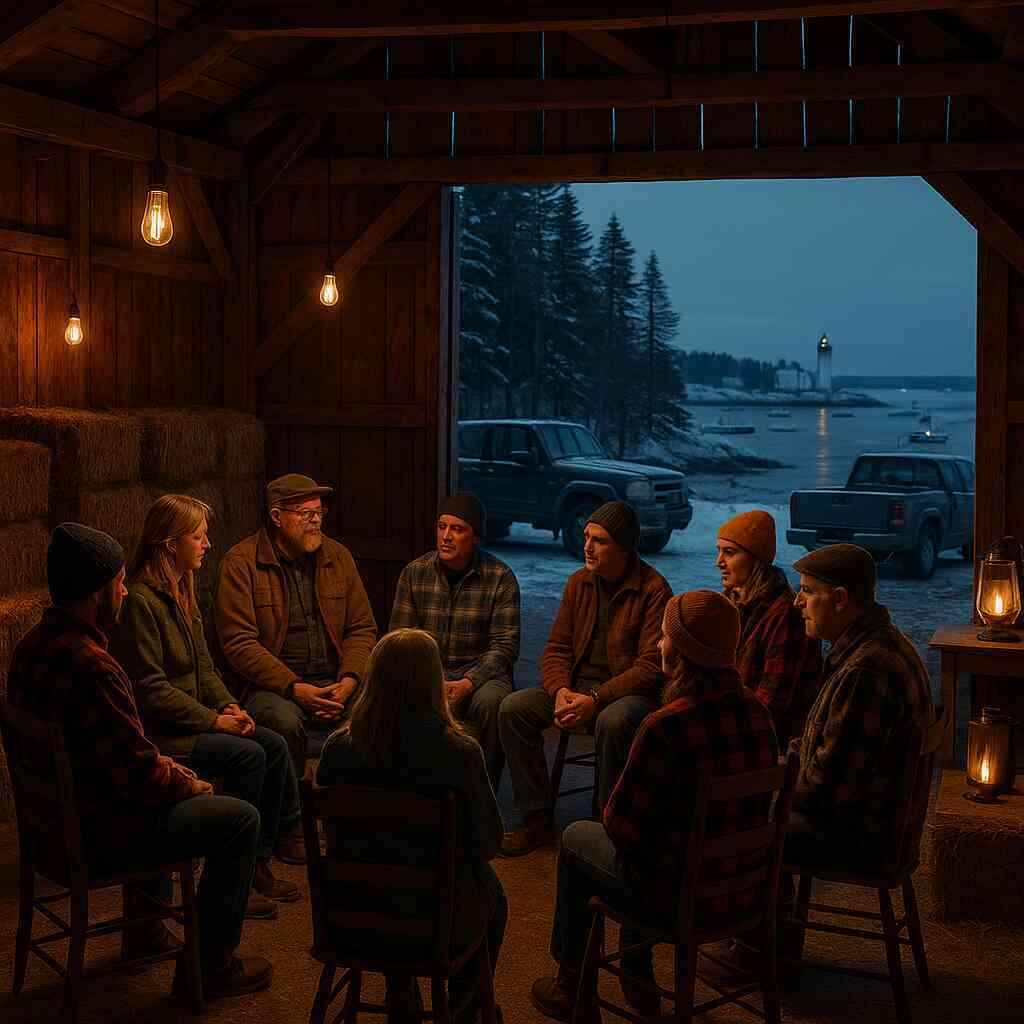
Hay-scented barns convert into warm Alcoholics Anonymous meeting halls after sundown chores. Folding chairs circle milk-cooling tanks, and neighbors trade stories about balancing recovery with calving season. The rough-hewn environment normalizes vulnerability, proving you need not dress formally to practice the 12 steps of AA. AA sponsorship in remote areas thrives here because mentors and newcomers already share agricultural rhythms. Their common language accelerates trust when cravings surge during exhausting harvest weeks.
Farmstead evening AA meetings also illustrate Maine AA meeting accessibility challenges. Dirt lanes flood during the spring thaw, yet transportation grants for sobriety seekers help residents reach these gatherings. One volunteer recently highlighted the region’s regional innovation in AA directory platforms that streamline ride-share coordination. That single tool connects scattered homesteads, enhancing attendance and nurturing Down East alcohol recovery routes. Every successful lift proves recovery can span even the widest cow pastures.
Indigenous Recovery Traditions Meeting Alcoholics Anonymous
Wabanaki elders host circles where smudging and Alcoholics Anonymous readings coexist, honoring indigenous recovery traditions and AA principles. The Directory respectfully notes cultural protocols so visitors arrive prepared, not puzzled. Speakers relate the 12-step spirit of powerlessness to ancestral teachings about balance with the land. This synthesis enriches concepts of long-term sobriety by rooting them in centuries-old resilience narratives. Shared drumming replaces generic coffee chatter, yet the message remains identical: keep coming back.
Such culturally attuned listings ensure everyone finds local AA meetings that respect identity. Bilingual announcements appear in both English and Passamaquoddy, expanding inclusivity across AA meetings in Penobscot County. Coordinators also collaborate with NA meetings for dual-fellowship support when polysubstance issues surface. By bridging resources, rural healers reduce relapse risk and recognize signs of withdrawal in isolated communities early. Community officers praise these alliances for lowering emergency intervention rates.
Loggers’ Lunch Break AA on Ice Roads and in Logging Camps
Chainsaws are quiet at noon, and crews gather in mobile trailers to read Alcoholics Anonymous meetings literature. Short, structured sessions fit strict schedules and illustrate empowerment through 12 steps in logging camps. Because winter blocks highways, ice-road travel to AA meetings demands meticulous planning. AA Meetings Directory posts weather-coded alerts that help foremen decide if sessions shift to phone bridges. This fast feedback safeguards consistency, rewarding determination with safety.
Lunchtime format also emphasizes practical discussion about craving management while wielding dangerous equipment. Members swap strategies for refusing flask offers without alienating teammates. Telehealth AA alternatives for rural residents support those stationed deeper in the forest rotation. Coupled with integrating Intensive Outpatient Programs with AA back in town, workers receive layered care. Collectively, these techniques maintain sobriety amid chainsaws and subzero winds.
Lighthouse Sobriety Stories from Coastal Ports
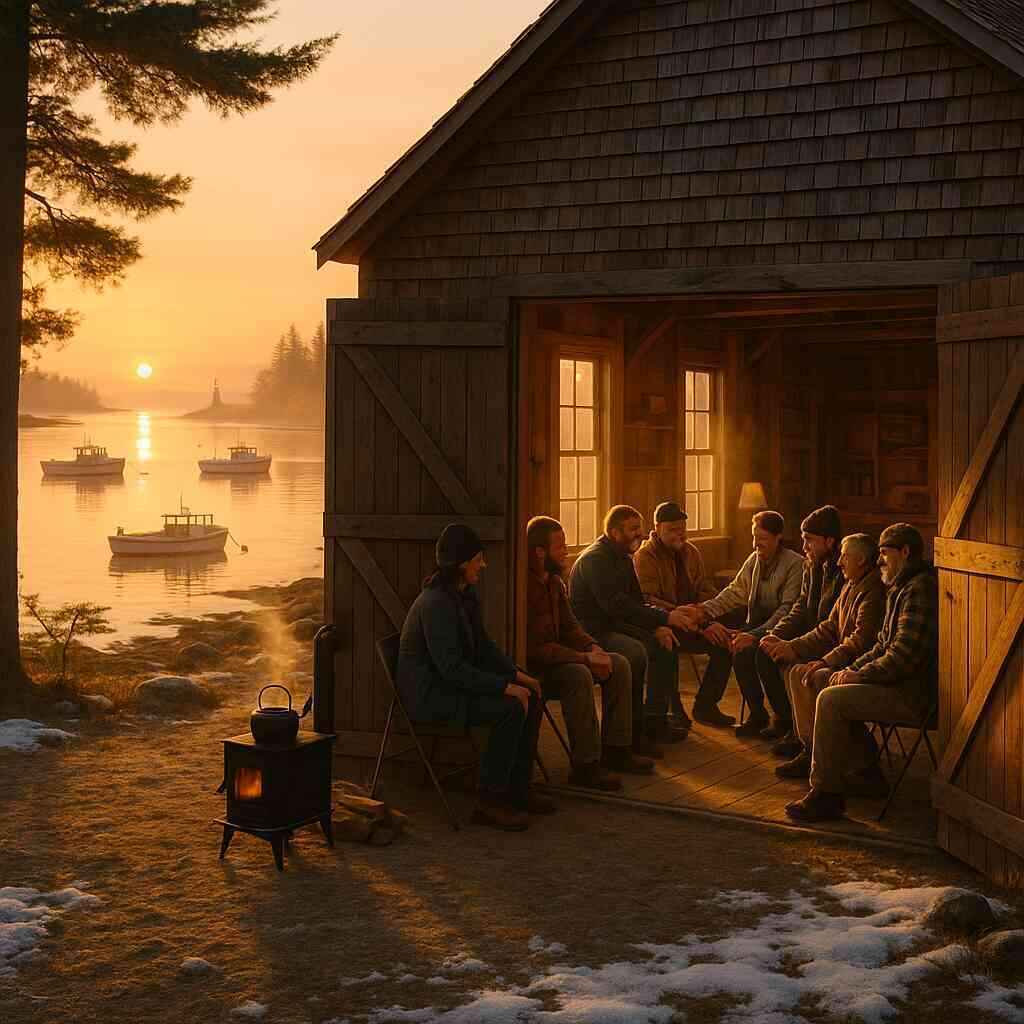
Nothing rivals dawn reflections beneath a rotating beacon where lobster fleet lunchtime AA sessions unfold between tides. Nautical metaphors flourish; sailors compare foghorn warnings to spiritual awakenings in Alcoholics Anonymous fellowship overview discussions. The salt-heavy air reinforces humility, reminding everyone that nature dwarfs human ego. Visitors seeking AA meetings near the lobster coast rely on AA Meetings Directory to time attendance around ferry schedules. This precision prevents missed boats and missed opportunities for healing.
Coastal gatherings double as outreach hubs for Appalachian trailhead recovery meetups because hikers often exit the wilderness near nearby harbors. Volunteers distribute brochures on holistic addiction treatment services in rural New England alongside phone numbers for the local AA hotline for fishing crews. Sustainable sober housing near Acadia remains another featured resource, guiding mariners toward stable land-based living if needed. In every port, lighthouse keepers, deckhands, and visitors merge into one supportive chorus, closing another day dry.
 Modern Tools and Hybrid Pathways for Remote Recovery
 Modern Tools and Hybrid Pathways for Remote Recovery
AA Meetings Directory App and Sobriety Calculator Insights
Rural roads often fail, yet smartphones rarely leave pockets. The AA Meetings Directory App transforms that reality into a decisive advantage. Residents simply tap “AA meetings near me” and receive curated options within minutes. GPS coordinates appear beside concise descriptions of format, accessibility, and group traditions. This immediacy shrinks anxiety, because planning no longer steals energy from actual recovery work. The integrated sobriety calculator tracks clean days, offering bright visual milestones after each successful dawn. Fishermen review those graphs while mending traps, remembering how progress feels tangible. Loggers watch counters tick upward during lunch breaks, replacing hidden flasks with celebratory statistics. Every feature supports the 12 steps of AA without overshadowing personal responsibility. Technology meets wisdom, and commitment deepens across tide-swept villages.
Custom dashboards highlight peak craving hours, letting users schedule local AA meetings proactively. Notification tones remain discreet, respecting anonymity in grocery aisles or hardware stores. Because data stays encrypted, community trust grows rather than erodes. Offline caching lets hikers access alcoholics anonymous literature far from cellular towers. Rural librarians even host workshops explaining advanced app features to newcomers. These demonstrations reinforce that AA Meetings are free, voluntary, and community powered. Interactive maps mark AA meetings in lakeside cabins, town halls, and barn lofts. When listings update, the system sends immediate alerts, preventing fruitless drives through fog. Such reliability spotlights AA Meetings Directory as a national AA Meetings Directory resource for every traveler. A simple download becomes a lifeline disguised as ordinary technology.
Telehealth and Phone Bridge Meetings for Snowbound Residents
Maine winters blur horizons, yet cravings often sharpen during swirling blizzards. Telehealth meetings step forward when plows cannot. Members sign in through low-bandwidth video rooms or simple conference calls. These virtual tables respect the same Alcoholics Anonymous traditions guiding barn sessions. Real-time chat moderators monitor etiquette, supporting newcomers and veterans equally. The Directory’s storm alerts integrate with mapping winter relapse triggers for snowbound communities, offering tailored coping plans before isolation sets in. Prompts encourage journaling, meditation, or quick outreach to a sponsor. Such digital foresight turns bleak forecasts into manageable challenges. Nobody must white-knuckle through drifting snow alone anymore. Connection persists, even when snowdrifts tower above porch railings.
Phone bridges remain vital for homesteads lacking reliable broadband. A single dial-in code links voices from distant coves and mountaintop shacks. Facilitators gently screen for signs of withdrawal, then guide discussions toward hope. Soft background chatter of woodstoves replaces coffee pot gurgles, yet solidarity feels identical. Care teams maintain rosters, ensuring every caller receives follow-up texts after each session. If emergencies loom, local volunteers coordinate welfare checks within hours. This layered vigilance exemplifies winter resilience in Alcoholics Anonymous communities statewide. Veterans remind newcomers that a simple conversation can outshine pharmaceutical temptation. Participants still mark milestones aloud, letting the group applaud through crackling lines. Distance vanishes when gratitude echoes across miles of silent snowfields.
Transportation Grants and Ride Shares to Penobscot County Gatherings
Even the best app cannot drive icy roads for you. Transportation grants bridge that gap for residents seeking AA meetings in Penobscot County. Small stipends cover gas cards, bus tickets, or community shuttle vouchers. AA Meetings Directory lists eligibility guidelines clearly, avoiding bureaucratic confusion. Applicants submit quick forms, then receive responses within a day. Several sponsors accept ride pool responsibilities, rotating weekly duties. Such an organization keeps the rural Maine sobriety network cohesive despite the vast geography. No one fears admitting financial hardship because anonymity is preserved. Meeting attendance rises, relapse rates fall, and gratitude travels every winding backroad. Empowered locals learn that asking for help unlocks opportunity rather than shame.
Ride shares complement grants, uniting neighbors for thirty-minute treks through spruce forests. Drivers sync calendars inside the Directory’s scheduling portal, selecting preferred routes. Interactive maps calculate mileage, showing equitable petrol splits for fairness. Passengers often review daily reflections during these drives, turning commute time into spiritual preparation. The system also flags road closures, preventing dangerous detours toward flooded logging tracks. Users receive push notifications if weather forces the rescheduling of local AA meetings. Transparent communication eliminates guesswork, boosting attendance consistency. Automotive camaraderie reinforces lessons learned at the table. Laughter often fills the cab, counteracting morning dread. Recovery literally shares the driver’s seat and the passenger playlist.
Integrating Intensive Outpatient Programs with Local AA
Some residents require clinical oversight beyond peer dialogue. Intensive Outpatient Programs provide that structure without removing individuals from family life. AA Meetings Directory outlines nearby clinics, explaining schedules, costs, and therapeutic modalities. Counselors coordinate with AA sponsors, ensuring messages remain consistent rather than conflicting. Shared calendars help participants attend evening Alcoholics Anonymous meetings after daytime therapy. Progress notes emphasize alignment with twelve-step principles, not competition. Clients practice coping skills in therapy, then test them in real conversation circles. Both systems celebrate incremental victories, reinforcing neural pathways favoring sobriety. This blend delivers comprehensive addiction treatment services while honoring community traditions. Stability deepens when professional insight supports grassroots wisdom.
Legal frameworks sometimes accelerate treatment access. The Florida Marchman Act inspires Maine courts to explore compassionate mandates for high-risk drinkers. Facilities such as RECO Intensive and RECO Institute share expertise with local clinicians. Joint webinars discuss assessment methods, relapse predictors, and ethical confidentiality. AA Meetings Directory posts recordings, making advanced education accessible for volunteer sponsors. These collaborations destigmatize referrals, showing that medical and spiritual approaches can coexist. Families gain vocabulary for constructive intervention rather than hostile confrontation. When formal orders arise, community groups stand ready to welcome the entrant. The circle remains open, regardless of the pathway traveled. Recovery broadens, because every doorway points toward shared hope.
Bridging NA and AA Resources for Dual Fellowship Support
Alcohol rarely travels alone; many Mainers battle multiple substances simultaneously. Dual fellowship settings address that complex reality head-on. AA Meetings Directory cross-references NA Meetings, streamlining searches for integrated weekly calendars. Sponsors encourage newcomers to attend whichever forum best addresses current cravings. The approach honors autonomy while providing a safety net. Coordinators host quarterly workshops on pharmacology, triggers, and spiritual growth. Experts highlight the role of peer support groups in recovery across substance lines. Attendees learn to translate 12-step language between fellowships without diluting core messages. Mutual respect blossoms, replacing rivalry with unified service. Shared traditions, diverse perspectives, one guiding purpose.
Housing stability often decides whether progress sticks. For members exiting detox, Top Sober House listings near Acadia offer structured living. These residences enforce curfews, chore rotations, and mandatory attendance at local AA meetings. Roommates practice accountability daily, reducing relapse temptations. House managers coordinate transportation to coastal lighthouse sobriety stories gatherings. Scholarships sometimes cover initial rent for those demonstrating a sincere commitment. Directory readers compare options easily, filtering by gender, employment support, or pet policies. Graduates frequently return as mentors, illustrating concepts of long-term sobriety through example. The continuum from shelter to independence becomes clear and attainable. Community thrives when safe roofs and sober friendships align.
Closing the Circle on Maine AA Accessibility
Sponsorship Across Tides Trails and Town Lines
Neighbors in rural Maine often travel winding miles of shoreline and logging tracks before spotting another porch light. Sponsorship keeps those miles from feeling lonely. Experienced members use the AA Meetings Directory to match with newcomers whose schedules, jobs, and dialects align. They share ride-share calendars, swap weather alerts, and rehearse boundary-setting language for tight-knit hamlets. Because guidance flows by phone when roads close, every sponsor becomes a lifeline stretching across spruce, sand, and granite.
Cross-border fellowship widens that safety net even further. Sponsors sometimes meet their sponsees halfway at community centers, then continue the conversation on scenic drives toward AA gatherings near the White Mountains in New Hampshire. Comparing reflections from two states highlights universal principles while respecting local traditions. This regional perspective deepens gratitude, reinforces the 12-step journey in small towns, and proves recovery ignores county lines.
Sustainable Sober Housing and Top Sober House Near Acadia
Stability after a meeting depends on where you rest your head. Rural landlords may overlook sober-living needs, leaving residents stuck between unsafe roommates and costly hotels. AA Meetings Directory curates listings of vetted houses that maintain curfews, chore charts, and weekly accountability circles. Residents share garden plots, practice mindfulness on nearby trails, and build resilience before returning to independent leases. Structured environments stop evening cravings from derailing daylight progress.
When coastal workers complete inpatient care, many choose houses close to Acadia’s rising cliffs. Options include communal cottages, converted farmsteads, and supportive dormitories. Prospective tenants compare amenities, pet policies, and vocational coaching through the Directory’s filters. The most popular listing, accessible by a short bus ride from Bar Harbor, appears under finding sustainable sober housing near Acadia. Clear pricing, transparent rules, and alumni testimonials reduce anxiety and invite long-term planning.
Next Steps for Strengthening the Rural Maine Sobriety Network
The state’s sobriety network already threads together barn lofts, lighthouse basements, and digital chat rooms. Yet gaps remain where cell towers falter and winter storms isolate families. Community leaders are drafting carpools for first-time visitors, expanding telehealth bandwidth, and translating speaker scripts into Wabanaki languages. They also coach volunteers to recognize subtle signs of withdrawal, ensuring swift referrals when medical intervention is urgent. Collaboration sharpens every safeguard.
Future growth relies on cooperation between peer groups and clinicians. Counselors suggest trauma-informed breathing exercises while sponsors reinforce daily inventories. The Directory now flags meetings that coordinate with statewide grant programs and lists links to comprehensive addiction treatment services. Residents can map a clear progression from detox to outpatient therapy, sober housing, and leadership training. By weaving professional care with grassroots tradition, rural Mainers secure a recovery lattice sturdy enough to last through any season.
Frequently Asked Questions
 Frequently Asked Questions
Question: How does AA Meetings Directory help rural Maine residents find AA meetings during harsh winter conditions?
Answer: Winter resilience in Alcoholics Anonymous can be challenging when ice-slick roads and whiteouts cut off entire townships. AA Meetings Directory solves this problem in three ways. First, our AA meetings near me search engine automatically highlights telehealth AA alternatives for rural residents and phone-bridge sessions that stay open even when plows can’t reach the backroads. Second, each Maine listing carries live weather alerts and color-coded icons that warn you if ice-road travel to AA meetings could be unsafe. Finally, we coordinate transportation grants for sobriety seekers and ride-share schedules right inside the listing, so a neighbor with four-wheel drive can pick you up without exposing your anonymity. The result is a seamless rural Maine sobriety network that keeps the circle unbroken all season long.
Question: What practical insights does the sobriety calculator offer people navigating AA paths through the Maine woods?
Answer: Whether you are a logger on a lunch break or a lobsterman mending traps, the sobriety calculator insights tool provides real-time motivation. It tracks clean-day milestones, flags peak craving hours, and syncs with push notifications that suggest local seacoast AA gatherings or community barn AA discussion groups when your stress levels spike. The data remains fully encrypted, protecting anonymity while empowering you to make evidence-based choices. Many Mainers set the counter to chime quietly at dawn; that soft alert is a daily reminder that the 12 steps of AA are working as you explore those winding forest roads.
Question: In Comparing AA Meetings Directory Paths in Rural Maine Today, how can newcomers decide between candlelight meetings and open meetings in the lakes region?
Answer: The blog explains that comparing candlelight versus open meetings is easy inside the AA Meetings Directory. Each listing shows format, time, and atmosphere at a glance. Candlelight circles-often held in cabins along frozen ponds-are marked for privacy and intimacy, perfect for those who value quiet storytelling. Open meetings in the Maine lakes region recovery circles invite family observers and are labeled accordingly, fostering community education about the disease theory understanding of alcoholism. With photos, accessibility notes, and directions already loaded, the choice becomes about personal comfort rather than guesswork.
Question: Does AA Meetings Directory support indigenous recovery traditions alongside Alcoholics Anonymous meetings in Penobscot County?
Answer: Yes. Our directory respectfully lists Wabanaki-hosted circles where smudging, drumming, and bilingual readings merge with AA Traditions. Each entry includes cultural etiquette notes, Passamaquoddy language announcements, and links for newcomers who wish to learn more about indigenous recovery traditions and AA. By weaving these details into our AA meetings in Penobscot County page, we help preserve identity while delivering the same 12-step message of hope.
Question: Can AA Meetings Directory integrate Intensive Outpatient Programs and transportation grants to strengthen the rural Maine sobriety network?
Answer: Absolutely. Our platform cross-references addiction treatment services such as Intensive Outpatient Programs, RECO Intensive, and RECO Institute with nearby local AA meetings, ensuring clinical care and peer support work hand in hand. We also display eligibility guidelines for gas card stipends or community shuttle vouchers right beside the meeting details. This one-stop integration means that whether you need therapy under a model similar to the Florida Marchman Act or simply a lift to farmstead evening AA meetings, you’ll find every resource organized on a single screen-trusted, transparent, and tailored to Down East alcohol recovery routes.